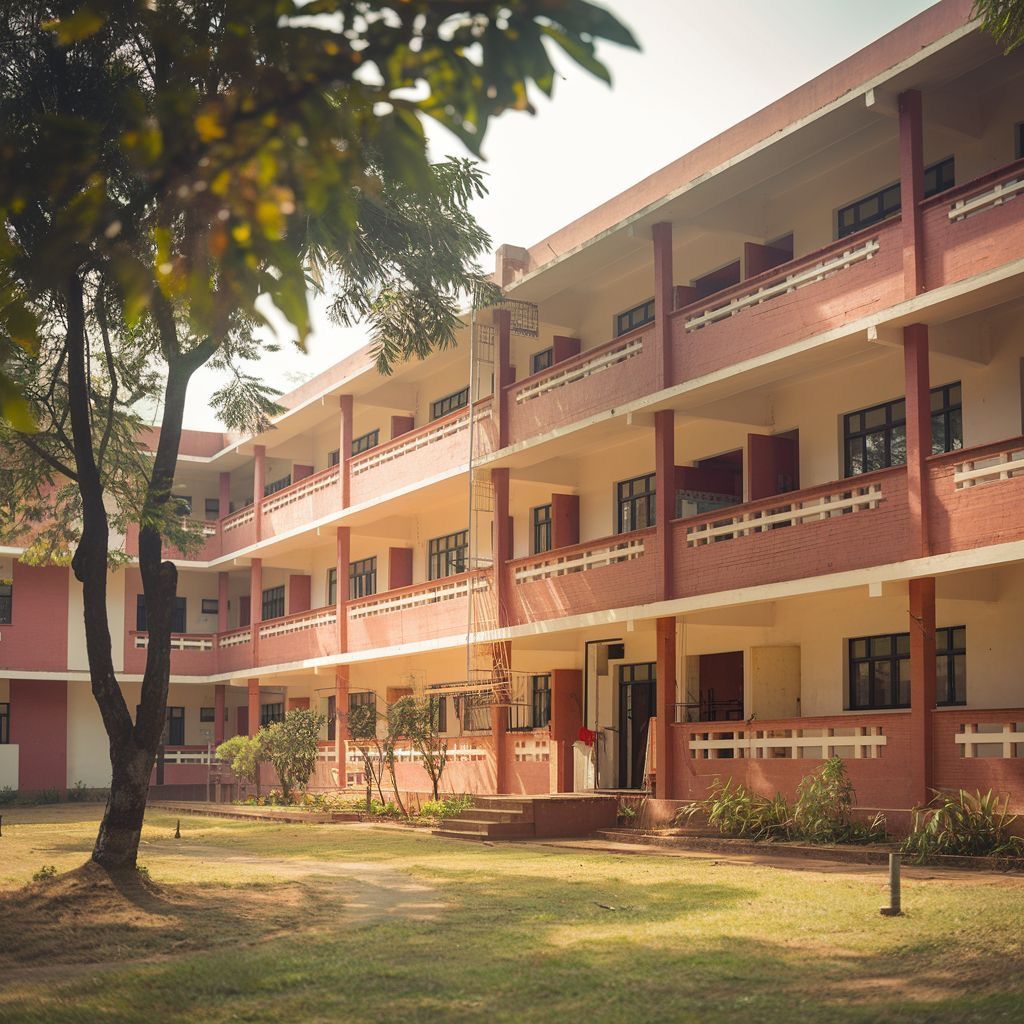
1. Holistic Growth Framework
Growth at St. Joseph Boys’ High School Khadki is defined not merely by academic achievement but by the complete development of character, intellect, and physical wellness. The school believes that true growth occurs when a boy matures emotionally, socially, and ethically alongside his intellectual progress. Programs focused on life skills, emotional intelligence, and resilience training are integrated into the weekly schedule. Students learn to set personal goals, reflect on their behaviors, and accept constructive criticism. Growth is measured through portfolios that track https://stjosephboysschoolskhadki.com/ leadership roles, community service hours, artistic achievements, and athletic milestones, ensuring every boy finds his unique path to excellence.
2. Discipline as a Daily Practice
Discipline at this institution is not punitive but formative. The school implements a code of conduct that emphasizes self-regulation, respect for authority, and consideration for peers. Morning assemblies begin with prayers, the national anthem, and a thought for the day, instilling a sense of order and collective identity. Classroom rules about listening, raising hands, and completing tasks are consistently reinforced. A demerit system for infractions like tardiness or incomplete work is balanced with merit points for exemplary behavior. This daily practice transforms discipline from an external imposition into an internal habit, preparing boys for the structured demands of professional and civic life.
3. Physical and Moral Discipline Integration
Physical training is a cornerstone of the discipline program at St. Joseph Boys’ High School Khadki. Compulsory sports periods, drill sessions, and annual athletic meets teach boys the value of following rules, enduring hardship, and working as a team. Moral discipline is equally emphasized through values education classes that cover honesty, integrity, and empathy. Case studies and role-playing exercises help students apply moral principles to real-life dilemmas. The school chaplain and counselors conduct sessions on self-control, anger management, and ethical decision-making. This integration ensures that discipline is not just about obedience but about building a strong, principled character.
4. Role Models and Peer Accountability
Teachers and senior students serve as living examples of disciplined behavior at the school. Prefects and house captains are selected based on their demonstrated self-discipline and leadership qualities. These role models mentor younger boys, showing how discipline leads to success in studies, sports, and personal relationships. Peer accountability is encouraged through group assignments where teams are evaluated on collective adherence to deadlines and quality standards. The school also invites alumni who have excelled in careers like military service, engineering, and medicine to speak about how discipline shaped their paths. This culture of mutual accountability creates a positive pressure that motivates every student to uphold high standards.
5. Consequences and Restorative Practices
While the school maintains firm consequences for serious infractions like bullying or cheating, it also emphasizes restorative practices. Instead of purely punitive measures, students who break rules are guided to understand the impact of their actions and make amends. Detention periods are used for reflection and writing assignments about the rule violated. Parent conferences address recurring behavioral issues with action plans for improvement. For minor lapses, verbal warnings and loss of privileges are sufficient to correct behavior. This balanced approach teaches boys that discipline involves accountability and repair, not just punishment, fostering mature individuals who can navigate rules with wisdom and integrity.